Kintamani, Bali · Small-group yoga & quiet retreats Enquire about a class
yogaesthetic

Body & mind

What yoga actually does — and what it does not

Yoga is worth doing on its own terms, but it is also studied, measured and sometimes oversold. Here is a careful account of the benefits that hold up, and the claims that do not.

A reasonable standard of proof

Yoga research is difficult to do well. Classes are social, teachers vary, and "yoga" itself describes wildly different intensities. Many studies are small, short, and compare yoga to doing nothing rather than to another form of exercise. So the honest summary is usually: promising, modest, and not a substitute for treatment.

What follows is written to that standard. Where the evidence is thin, the page says so. Where a benefit comes from the structure of practice rather than from anything mystical, it says that too.

None of this is an argument against yoga. It is an argument for practising it for the right reasons — and for not expecting a hip opener to replace a doctor.

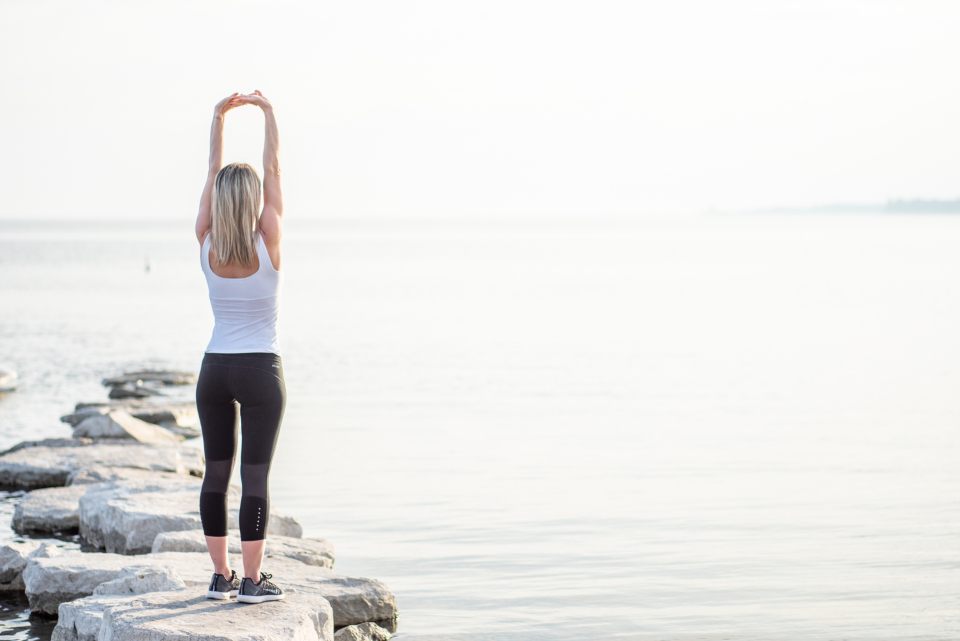
A person stretching with arms overhead while standing on rocks beside calm water

Balance improves because you practise balancing — not because you relax

The body

Physical benefits

01

Flexibility and mobility

Repeated, gentle loading at the edge of range improves flexibility — reliably, but slowly. Expect meaningful change over eight to twelve weeks of regular practice, not after one class. The bigger win is often usable range: hips that move well in a lunge and ankles that bend without the heel lifting.

02

Strength, especially in the small muscles

Holds and transitions load the core, hips, shoulders and feet in ways that gym machines rarely do. Yoga is not a replacement for progressive strength training, but it builds genuine capacity in the stabilisers that keep joints organised — particularly in balancing postures.

03

Balance and fall confidence

Balance training is one of the better-supported benefits, which matters increasingly with age. Standing on one leg, shifting weight slowly and moving with attention trains exactly the systems that keep you upright on uneven ground.

04

Posture and body awareness

Yoga will not "fix" a spine, but it does teach you where you habitually collapse. Many students report standing differently — not because they were corrected, but because they noticed. Awareness is the mechanism; posture is the side effect.

The mind and nervous system

Stress. Slow breathing with a long exhale, gentle movement and a quiet room reliably reduce subjective stress in the short term. Longer-term effects are plausible and moderately supported, but they depend on practising regularly rather than intensely.

Relaxation. The relaxation response — lower heart rate, reduced muscle tension, slower breathing — is real and easy to trigger deliberately. Restorative and Yin practice are essentially structured ways of doing so. What yoga does not do is erase the cause of your stress.

Attention and mindfulness. Following the breath through a sequence is a concentration exercise. Over time, most practitioners notice they can return to a task a little more easily. Whether that generalises to clinical attention problems is not established.

Sleep. Many people sleep better on practice days, and evening restorative work is a sensible wind-down. If insomnia is persistent, yoga is a helpful habit, not a treatment.

Breathing awareness. Perhaps the most underrated benefit: you learn what a relaxed breath feels like, which makes it possible to notice when yours has become shallow — in traffic, in a meeting, at 3 a.m.
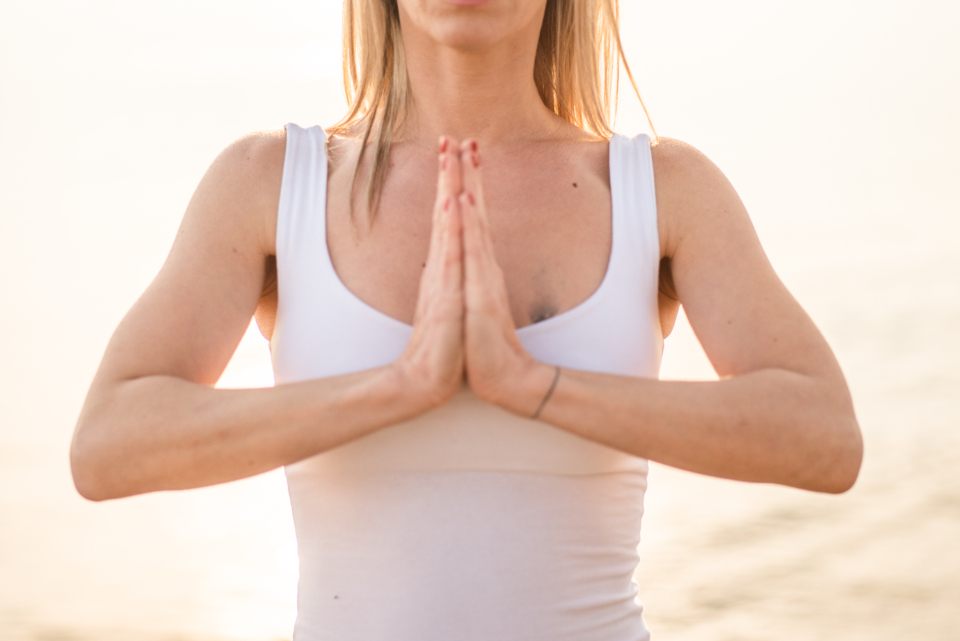
Hands in prayer position at the chest during a quiet moment of practice

A long exhale is the most portable tool in the practice

Honesty

Claims we will not make

Yoga does not cure disease. It does not detoxify organs, lengthen bones, "release" trauma through a single hip opener, or replace medication. Teachers who make those claims are exceeding both the evidence and their qualifications.

If you are managing a health condition, yoga can be a useful adjunct alongside medical care — and it should be adapted with that care in mind. Tell your teacher what is going on. Get medical advice before starting if you are pregnant, recovering from surgery, or living with a cardiovascular, neurological or musculoskeletal condition.

For a sober overview of the research, the US National Center for Complementary and Integrative Health is a good place to start.

Building a routine that survives a real week

The best routine is the one you will still be doing in March. A few principles:

  • Attach it to something fixed. After coffee, before the shower, immediately after work. Motivation is unreliable; sequence is not.
  • Make the minimum laughably small. Ten minutes counts. A four-posture sequence you actually do beats an hour you keep postponing.
  • Separate "practice" from "progress". Some days the win is showing up tired and breathing for eight minutes.
  • Use variety to protect consistency, not to chase novelty. One vigorous class, one slow class, one short home practice is a sustainable week.
  • Rest without guilt. Recovery is part of training, not a failure of discipline.

If you want the physical detail behind these claims, read the guide to asana families and alignment. If the mental side interests you more, the eight limbs and meditation is the natural next step. And if you would rather learn in a room with someone correcting your setup, join a class in Kintamani.